
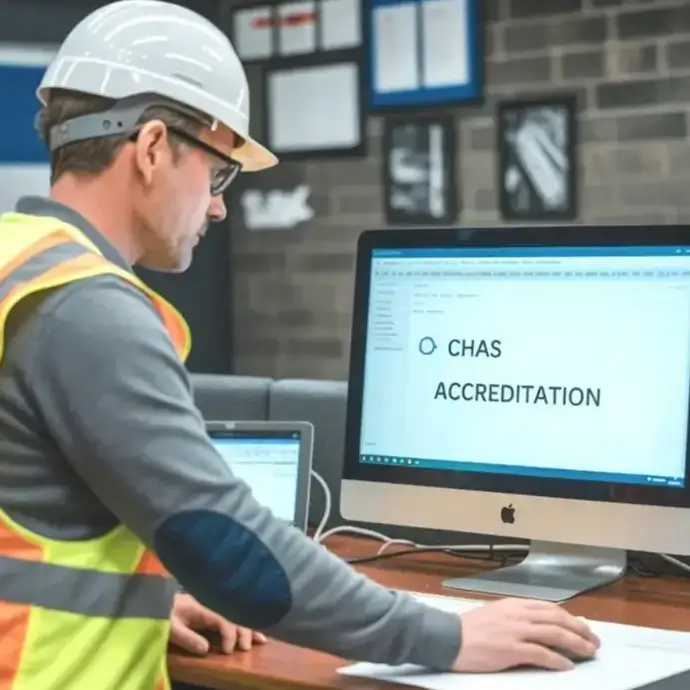


Navigating the Contractors' Health and Safety Assessment Scheme Successfully
As a contractor, you are probably aware that there are several accreditation schemes available, with the Contractors Health and Safety Assessment Scheme (CHAS) being one of the most recognised in the industry. However, it’s important to explore in more detail what each scheme involves, which one best suits your business needs, and the real benefits of gaining such accreditation.
Accreditation schemes like CHAS are designed to help contractors demonstrate their commitment to high standards of health and safety management. By gaining this recognition, your business not only improves its credibility but also boosts its reputation in the highly competitive contracting market. Many clients, especially larger corporations and government bodies, often require subcontractors to hold specific accreditations as a condition for awarding contracts.
Obtaining CHAS accreditation indicates that your company has met strict health and safety standards, thereby reassuring potential clients of your professionalism and dedication to workplace safety. This can lead to more opportunities and a stronger competitive edge when bidding for projects. Furthermore, being accredited can make the tendering process smoother, as clients are more inclined to choose contractors who demonstrate compliance with industry standards.
The Contractors Health and Safety Assessment Scheme (CHAS) is an acknowledged standard for health and safety compliance within the construction industry. It aims to streamline the prequalification process for contractors and demonstrate a company's commitment to maintaining safe working environments. By meeting CHAS requirements, firms can highlight their dedication to complying with legal and regulatory standards, which is increasingly important in today's competitive market. This accreditation also demonstrates a company's proactive stance on risk management, prioritising the safety of employees, clients, and other stakeholders involved in their operations.
Benefits of CHAS Accreditation
Obtaining CHAS accreditation offers businesses numerous benefits that can greatly influence their operations and growth within the construction industry. One of the immediate advantages is heightened trust and confidence from potential clients and partners. With CHAS certification, your business proves compliance with recognised health and safety standards, reassuring stakeholders that your company prioritises safe practices. This can set your business apart in a competitive market, where adherence to safety regulations is often a key factor in decision-making.
Another significant benefit is the ability to access a broader range of contracts and projects. Many organisations and procurement professionals prefer contractors with CHAS accreditation because it simplifies the process of verifying health and safety standards. For some clients, this certification is a mandatory requirement, meaning that without it, certain opportunities may not even be available. By holding this accreditation, your business can meet prequalification criteria more easily, saving time and resources during tender submissions.
Operational efficiency also improves as a result of achieving CHAS accreditation. Preparing for and maintaining compliance encourages businesses to streamline their health and safety procedures. This not only reduces the risk of workplace accidents but also decreases the likelihood of legal or regulatory issues. With established and well-documented safety practices in place, your company can operate more smoothly, avoiding disruptions that could otherwise arise from non-compliance problems.
CHAS accreditation can also act as a valuable tool in boosting your company’s reputation within the industry. It showcases a commitment to maintaining high standards and demonstrates your proactive approach to risk management. This positive image can help attract high-calibre clients, strengthen relationships with existing partners, and even appeal to talented professionals who value working with companies that prioritise safety and compliance.
Cost savings are another benefit often linked with CHAS certification. While the initial investment of time and resources is needed to achieve accreditation, the long-term savings can be substantial. Fewer workplace injuries and accidents lead to lower insurance premiums, fewer compensation claims, and less downtime. Additionally, meeting established safety standards can shield your business from fines or penalties related to non-compliance, offering financial peace of mind.
Alongside these advantages, CHAS accreditation can help your business stay ahead of changing industry standards. With regulations and safety requirements often evolving, being part of the CHAS framework ensures you are continually updating and enhancing your practices to stay compliant. This proactive approach can position your business as a leader in the industry, ready to tackle new challenges and meet changing expectations.
Eligibility Criteria
To apply for CHAS accreditation, businesses must satisfy specific eligibility criteria that demonstrate their commitment to maintaining high health and safety standards. These standards ensure that applicants are properly prepared to meet the expectations of the Contractors' Health and Safety Assessment Scheme.
A key part of eligibility is having well-documented health and safety policies that demonstrate your company’s commitment to creating and maintaining safe work environments. These policies should specify clear procedures for identifying and managing risks, as well as strategies for preventing workplace accidents. If your current policies need updating, it’s crucial to review and revise them to ensure they meet CHAS standards before submitting your application.
Furthermore, organisations must provide proof of conducting regular risk assessments. These assessments should encompass all areas of your operations, identifying potential hazards and outlining the steps taken to minimise or eliminate risks. Risk assessments are essential in demonstrating your company’s proactive approach to managing workplace safety and are a key component of the accreditation process.
Employee training is a key focus area. CHAS requires applicants to demonstrate that their workforce is adequately trained in health and safety practices relevant to their roles. This may include records of completed training courses, certifications, and ongoing professional development programmes. Ensuring that your team is equipped with the necessary knowledge not only supports compliance but also fosters a culture of safety within your organisation.
To further demonstrate eligibility, businesses must provide supporting documentation that verifies their compliance with health and safety regulations. This could include incident records, inspection reports, and any certifications or qualifications held by staff. All submitted documents should be accurate, organised, and current, as assessors will review this information carefully during the application process.
Another factor to consider is demonstrating your company’s past performance in maintaining safe work practices. CHAS assessors may look for a strong track record of compliance with relevant regulations and a history of implementing effective safety measures. Highlighting your achievements in this area can strengthen your application and showcase your dedication to upholding high standards.
For businesses new to CHAS accreditation, it’s helpful to carry out an internal review of your current health and safety procedures before starting the application process. This can assist in identifying any gaps or areas needing improvement, enabling you to address issues proactively. Being well-prepared not only makes the process easier but also increases your chances of a successful application.
Finally, it’s vital to dedicate sufficient time and resources to meet these eligibility requirements. Preparing detailed documentation and ensuring your procedures conform to CHAS standards can be time-consuming, but this effort is essential for achieving accreditation.
Application Process
The process of applying for CHAS accreditation requires careful organisation and a thorough understanding of the necessary steps to ensure a successful application. The first step involves registering your business on the official CHAS website, which provides access to the application platform. Once registered, you will need to provide detailed information about your company, including documentation that demonstrates your compliance with health and safety regulations.
To ensure a smooth application process, it’s essential to have all required documents prepared and organised before starting your submission. This may include copies of your health and safety policies, risk assessments, training records, and evidence of certifications or qualifications held by your team. Accurate and up-to-date documentation is vital, as it will be examined closely during the assessment process. Avoid delays by verifying that all materials meet CHAS requirements before submission.
The CHAS portal provides a structured application form designed to guide you through each part of the process. Pay close attention to the instructions given, and make sure that every field is filled with accurate and relevant information. Any inconsistencies or missing details could delay the review or lead to further clarifications. Taking the time to carefully check your responses before submitting can help avoid unnecessary delays.
It’s also important to demonstrate how your company fulfils specific criteria outlined by CHAS. This includes evidence of well-documented safety procedures, regular risk assessments, and a strong commitment to employee training. Supporting materials, such as inspection records or incident reports, can further validate your application. Organising these documents in a clear and logical manner will make it easier for CHAS assessors to evaluate your compliance.
During the application, you might need to upload your documents directly to the CHAS platform. Make sure your files are named correctly and formatted according to the guidelines provided. This helps make the review process smoother and reduces the chances of errors or miscommunication. Being clear and professional in your submissions reflects well on your company and its commitment to meeting health and safety standards.
The CHAS application process also involves a self-assessment questionnaire, which enables you to demonstrate how your company meets the required standards. Be honest and precise in your responses, providing examples or explanations where needed. This questionnaire is an opportunity to highlight your proactive approach to health and safety compliance, so take the time to answer thoroughly.
If any part of the application process is unclear, CHAS offers resources and support to help applicants. Their customer service team is available to answer questions or clarify requirements, ensuring you receive the guidance needed to complete your submission correctly. Using these resources can be especially useful if this is your first time applying for CHAS accreditation.
Involving key team members in the preparation process can also help create a successful application. For example, health and safety officers or managers can offer valuable insights into your company’s policies and procedures, helping to ensure that your submission is thorough and meets CHAS standards. Collaboration among team members can also spot potential gaps in compliance, enabling corrections to be made before the application is finalised.
Finally, take enough time to review your application thoroughly before submitting. Rushing or incomplete submissions can cause delays or necessitate extra effort to resolve issues. By dedicating sufficient time and resources, you improve your chances of a successful outcome and get closer to achieving CHAS accreditation.
Preparing for Assessment
Preparing for the CHAS assessment demands meticulous attention to detail and a comprehensive review of your health and safety procedures. This stage offers an opportunity to showcase your company’s dedication to upholding high standards, making it vital to ensure that your documentation and processes are fully compliant with CHAS requirements. Start by examining the materials submitted during your application to verify they are complete, accurate, and reflect your current practices. Any discrepancies or outdated information should be corrected promptly to prevent issues during the assessment.
One key area assessors focus on is the practical implementation of your health and safety policies. Beyond having documented procedures, you must demonstrate that these are actively applied throughout your operations. Evidence such as inspection records, incident logs, and updates to risk assessments can provide tangible proof that your policies are not just theoretical but embedded into your everyday activities. Furthermore, assessors may seek examples of how your company has effectively managed risks or responded to safety concerns in the past.
Employee involvement is crucial in the assessment process. Your team members should clearly understand the health and safety protocols relevant to their roles. Providing refresher training or reviewing procedures with your staff before the assessment can help ensure they are well-prepared to answer any questions assessors might ask. This also reinforces the importance of compliance throughout your organisation, fostering a stronger safety culture.
Inspect your physical worksites or facilities to ensure they fully comply with your documented safety standards. Assessors may request to review specific areas of your operations to verify that your practices align with your policies. This includes checking the use of personal protective equipment (PPE), inspecting safety signage, and observing adherence to established protocols. Addressing any deficiencies before the assessment can help prevent negative findings that might delay your accreditation.
Organising your documentation systematically can also streamline the assessment process. Ensure that all files are labelled clearly and stored in an accessible format, whether digitally or in hard copy. Documents such as training records, inspection reports, and maintenance logs should be easy to locate and review. This level of organisation not only demonstrates your company’s commitment to compliance but also facilitates a smoother assessment experience.
Assessors might evaluate your company’s ability to monitor and enhance health and safety performance over time. Metrics such as incident rates or outcomes from previous audits can show whether your organisation is actively working to improve its practices. Providing examples of improvements or changes made as a result of past evaluations can strengthen your position during the assessment.
Preparation should also involve designating a contact person within your organisation to communicate with the assessors. This person should be familiar with the application and capable of answering any questions or requests for clarification. Their willingness to provide extra information or guide assessors through your procedures can positively reflect on your organisation’s overall approach to compliance.
By adopting a methodical approach and proactively addressing potential gaps, your company can position itself for a successful CHAS assessment. Staying diligent and detail-oriented throughout the process ensures that your practices align with the required standards and are prepared for a thorough evaluation.
Maintaining CHAS Accreditation
Maintaining CHAS accreditation requires a consistent focus on health and safety standards across your operations. Once obtained, the accreditation demonstrates your company’s commitment to compliance, but keeping it involves regularly assessing and enhancing your processes. To ensure your certification remains valid, it’s vital to monitor your performance against CHAS requirements and address any areas where updates or improvements are needed.
One of the essential elements of maintaining accreditation is conducting regular internal audits. These audits help identify potential compliance gaps and offer an opportunity to evaluate whether your current procedures are being effectively applied. Regularly reviewing risk assessments, employee training records, and incident logs can ensure your organisation stays aligned with industry standards. Internal audits also enable you to stay ahead of any regulatory changes or new expectations, which may necessitate updates to your policies or practices.
Documentation plays a vital role in demonstrating ongoing compliance. Ensure that all health and safety records are consistently updated and accurately reflect your company’s activities. This includes tracking any updates to policies, maintaining records of new employee training, and documenting corrective actions taken in response to identified risks. Keeping these records well-organised and readily accessible will simplify the renewal process and make it easier to demonstrate your adherence to CHAS requirements.
Employee engagement is another vital factor in maintaining accreditation. As your team develops, it’s essential to provide continuous training to ensure all staff are familiar with current health and safety protocols. New employees should be introduced to your company’s safety practices during their onboarding, while existing staff may benefit from refresher courses or updates on any procedural changes. A workforce that is well-informed and committed to safety helps uphold the standards needed to retain your certification.
Regularly reviewing and updating risk assessments is just as important. As your business expands or takes on new projects, potential hazards and associated risks may alter. Conducting new risk assessments ensures your company takes the necessary precautions to address these changing factors. This proactive method not only helps with compliance but also reduces the chances of incidents that could disrupt your operations.
It is also important to establish a system for monitoring industry developments and updates to health and safety regulations. Being aware of these changes allows you to make necessary adjustments to your practices quickly. Staying informed shows your dedication to ongoing improvement and helps ensure that your company is ready for any external audits or reviews.
Finally, maintaining open communication with CHAS can assist your efforts to stay compliant. If you have any doubts about requirements or the renewal process, contacting CHAS representatives for guidance can bring clarity and support. Staying updated with any new information or resources they provide can further help you remain compliant.
By incorporating these practices into your routine operations, your business can effectively maintain the high standards needed for CHAS accreditation while promoting a robust safety culture within your organisation.
Conclusion
Securing CHAS accreditation is a key strategic move for businesses aiming to boost their reputation and competitiveness in the construction industry. It demonstrates a company’s commitment to upholding high health and safety standards, which are crucial in today’s market environment. By achieving this certification, businesses show not only their compliance with essential regulations but also their proactive stance on creating safer workplaces for employees and stakeholders alike.
The journey to accreditation, while requiring meticulous preparation and attention to detail, offers long-term benefits that go beyond initial recognition. From enhancing operational efficiency to unlocking new contract opportunities, CHAS certification can greatly assist businesses aiming for growth and ongoing success. The process encourages companies to improve their health and safety procedures, fostering a culture of accountability and compliance that positively influences every level of the organisation.
Furthermore, maintaining CHAS accreditation ensures that organisations stay current with changing industry standards. This ongoing dedication to health and safety strengthens trust with clients, partners, and staff, fostering better relationships and opening up more opportunities. It also helps businesses stay ahead of potential risks, lowering liabilities and boosting overall resilience in a competitive market.
Incorporating the principles of CHAS into daily operations clearly shows a focus on safety and professionalism. This not only bolsters a company’s internal structure but also improves its external reputation in the industry. For businesses aiming to stand out, CHAS accreditation acts as a sign of reliability and excellence, building trust with potential clients and partners.
The effort put into achieving and sustaining CHAS accreditation is a valuable pursuit that yields benefits in enhanced safety, compliance, and business opportunities. By adhering to these standards, companies position themselves as leaders in their industry, prepared to face challenges while maintaining the highest levels of professionalism and care.