


Why an Asbestos Awareness Course is so Important
An asbestos awareness course is essential education for any individual whose job involves working in or visiting buildings constructed before 2000. This is because an asbestos awareness course helps individuals recognise asbestos-containing materials (ACMs), understand the risks associated with them, and learn how to avoid disturbing asbestos and prevent its release. Understanding the health risks linked to asbestos exposure, which include a spectrum of debilitating conditions such as lung diseases and various forms of cancer, is essential not only for individual safety but also for protecting public health.
Asbestos is a naturally occurring mineral that forms in bundles of fibrous crystals, possessing remarkable heat resistance, effective corrosion protection, and incredible insulating properties. It is truly a fantastic material and was extensively used in various materials throughout the 20th century. These materials were known as ACMs (Asbestos Containing Materials), as they were materials that had asbestos fibres added to them.
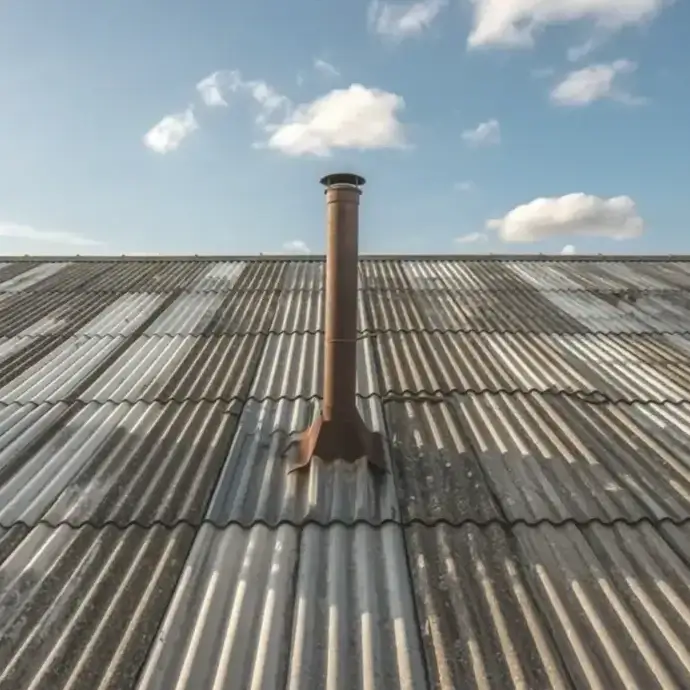
It was so versatile that it became a staple in the building industry due to its ability to insulate and resist fire, making ACMs an ideal choice in residential and commercial buildings. It was also widely used in roofing, where corrugated sheets provided a fast, cost-effective, strong, durable covering for factories and garages. Asbestos fibres were added to brake pads, heat-resistant fabrics for ironing boards and oven gloves, toilet cisterns, floor tiles, suspended ceiling tiles, textured coatings, gaskets, sprayed insulated coatings and much more. It is estimated that during its use, over 3,000 products contained asbestos.
Unfortunately, the once highly sought-after asbestos fibres are also known as the hidden killer due to the damage they can do when inhaled. When ACMs are disturbed during activities such as renovations, maintenance, or demolition, they release microscopic fibres into the air. Once inhaled, these fibres can penetrate deep into the lung tissues, where they may become trapped and provoke a range of severe health complications over time. Prolonged exposure to airborne asbestos fibres has been definitively linked to severe respiratory conditions. One such condition is asbestosis, which is characterised by the progressive scarring of lung tissue, leading to debilitating respiratory impairment and decreased lung function.
Additionally, the inhalation of asbestos fibres is a well-established risk factor for various forms of cancer, notably lung cancer and mesothelioma. Mesothelioma is a particularly aggressive cancer that affects the mesothelium—the protective lining surrounding the lungs, heart, and abdominal organs. The latency period for developing these diseases can span several decades, making it crucial to approach asbestos management with the utmost caution and to adhere to safety protocols to mitigate exposure risks.
Given the substantial risks associated with asbestos exposure, there is a need for anyone at risk to take an asbestos awareness course. Such training equips individuals, particularly those in the construction, renovation, and maintenance industries, with the knowledge necessary to identify asbestos-containing materials, understand the protocols for safe handling, and implement effective safety measures to mitigate exposure risks. This commitment to learning and safety is crucial for safeguarding both personal health and the well-being of the broader community.
Topics Covered in an Asbestos Awareness Course
Taking an asbestos awareness course offers numerous advantages, with one of the primary benefits being that the knowledge learned helps individuals identify asbestos and asbestos-containing materials (ACMs). This knowledge is crucial in preventing inadvertent disturbance that would lead to exposure.
A common ACM found in buildings constructed before 2000 is asbestos cement, also known as transite. This was a highly popular building material, particularly for roofing and cladding, due to its strength and durability. It was often used in corrugated roofing sheets, wall cladding, and as internal fireproof boarding, as well as in guttering, drainage pipes, flues, and even water storage tanks.
Teaching candidates which ACMs are easily recognisable and which can not be visually recognised is a vital training and safety resource. Materials that are impossible to identify as safe to disturb include painted surfaces and textured coatings. These materials can only be confirmed as having no asbestos present after testing, which involves sampling and analysis of the material by an accredited asbestos surveyor. The test involves taking small samples from a building and analysing them at a UKAS-accredited laboratory using Polarised Light Microscopy (PLM) to identify asbestos types, such as chrysotile, amosite, or crocidolite.
The primary reason for identifying asbestos-containing materials is to prevent any disturbances to these materials, which could result in the release of hazardous asbestos fibres into the air. The rationale for preventing asbestos fibres from being released is the detrimental effects they have on health, which can be both severe and, in many cases, fatal. An asbestos awareness course teaches candidates about the potential health effects of exposure and the diseases it can lead to, including:
- Mesothelioma
- Lung cancer
- Asbestosis
- Pleural thickening
- Pleural plaques