


Introduction to H&S for UK Groundworkers
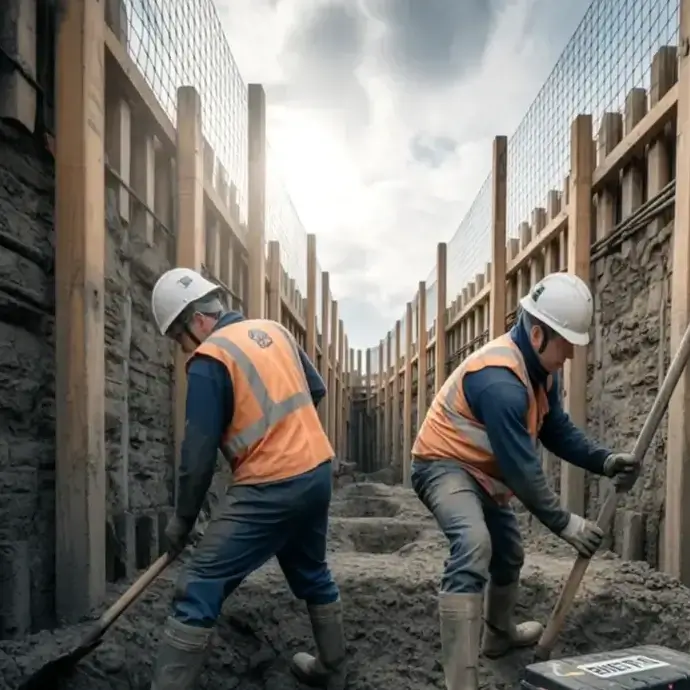
Health and safety are essential components of UK groundworks, requiring strict adherence to established guidelines. Groundworkers face various physical challenges and risks, making it crucial to understand health and safety principles. Tasks such as excavation and trenching present unique hazards, so employers must provide proper training while workers adhere to safety procedures. A safety-first approach not only protects individuals but also prevents delays and promotes teamwork and communication to manage potential hazards effectively.
Common Risks and Hazards: Groundworkers face numerous risks, including trench cave-ins, heavy machinery accidents, exposure to harmful substances, damaging noise levels, electrical hazards, and manual handling injuries. Common incidents like slips, trips, and falls often result from uneven surfaces and poor housekeeping. Weather conditions such as rain, heat, or cold also add dangers like slippery terrain or heat-related illnesses. Staying alert and following safety protocols is essential to prevent these accidents.
Personal Protective Equipment (PPE): Essential PPE for groundworkers includes a hard hat, eye protection (safety glasses, goggles or face shield), high-visibility clothing, safety footwear, and hearing protection (earplugs or earmuffs). Depending on the task, specific hand protection (gloves), respiratory protection (dust masks, respirators), and waterproof workwear are also vital for guarding against hazards such as dust, noise, cuts, and adverse weather conditions. When pouring and levelling concrete, Wellington boots with steel toe caps are essential.
Risk Assessment Procedures: A risk assessment identifies hazards and appropriate controls for groundworkers by reviewing tasks and the work environment—factors like soil stability, utilities, and weather. Each risk is rated for likelihood and severity to inform safety measures such as barriers or specialised equipment; for example, shoring in trenches prevents collapses.
Risk assessments must be updated as site conditions or tasks change, with worker involvement ensuring accuracy. Documenting findings maintains accountability and tracks effectiveness. Effective risk assessments support ongoing safety and a proactive workplace culture.
Method Statements: A method statement is a detailed, step-by-step document describing how a specific task, especially a high-risk one, will be carried out safely and efficiently. It identifies potential hazards and specifies necessary safety precautions and control measures. Method statements serve as "safe systems of work" or "plans of work" that help prevent accidents by ensuring proper planning, resources, and protection for everyone involved in the task. A Safe System of Work (SSOW) or Method Statement for groundworkers outlines the procedures, hazards, controls, and emergency plans for specific tasks, often including excavation, to promote safety. It begins with a comprehensive risk assessment, identifies high-risk activities, describes a step-by-step method, specifies plant, equipment, and PPE, and details emergency procedures and the training required for personnel. The document should be clear, easy for all workers to understand, and remain on-site and accessible throughout the work.
COSHH Assessments: A COSHH assessment for groundworkers identifies hazardous substances like cement dust, diesel fumes, and line marking paint used in groundworks, evaluates the health risks of exposure, and outlines control measures such as respiratory protection, PPE for skin protection, and fume extraction to prevent harm. The Control of Substances Hazardous to Health Regulations 2002 in the UK mandate these assessments to safeguard worker health and safety from harmful chemicals, dusts, fumes, vapours, and biological agents.
Emergency Protocols and First Aid: Emergency protocols should be clear, accessible, and suited to each worksite's risks. Workers need training to identify urgent situations like equipment accidents, collapses, or chemical exposure. Each site must have assembly points and reliable emergency communication methods such as alarms or radios.
Groundworkers should know basic first aid for immediate injury care before medical help arrives, including treating cuts, burns, fractures, and recognising severe conditions. First aid kits must be stocked, clearly labelled, and available to everyone.
Teams should regularly practice emergency drills simulating incidents such as fires or confined-space rescues to ensure all workers understand their roles. Ensuring protocol implementation is a shared responsibility: employers inform staff during inductions, and workers must follow guidelines and report hazards. Regular reviews update procedures and improve responses.