


How To Manage Health & Safety in Construction?
According to HSE's Labour Force Survey, the number of work-related accidents that occur in the construction industry is significantly higher than in any other line of work. When we consider the building materials, cables, and tools being used, it's not difficult to see why. So, how do you manage health and safety in the construction industry?
The most effective ways to manage health and safety in a construction environment include:
- Planning & Assessment - Outline and examine the hazards in your workplace, including their likelihood, severity, and potential impact.
- Risk Control & Prevention - To reduce the risk of accidents, you must take direct action.
- Review and Management - This step ensures that safety control measures are functioning correctly.
Read on to learn more about these processes to keep you and your colleagues safe on the construction site.
What Are The Most Common Types of Accidents in Construction?
The most common accidents that occur on construction sites include:
- Slips & Trips - Slips and trips are the most common reasons a construction site worker may experience an injury or accident at work. To find out more, take a look at our Slips, Trips and Falls course.
- Falls From Height - When you work in the construction industry, there is an increased risk that you may fall from height. To find out more, take a look at our Working at Height online course.
- Defective Machinery or Equipment Accidents - A common accident in construction work is often caused by defective machinery or equipment. Machinery should only be used by individuals who are trained to operate it.
- Falling Materials - Accidents and injuries in the construction industry can occur when objects fall from a height.
- Manual Handling Accidents - Working on a construction site often involves manual labour, such as carrying bricks and moving heavy materials like sand and cement. To find out more, take a look at our Manual Handling training course.
- Accidents Involving Moving Vehicles - On construction sites, machines such as steamrollers and bulldozers are used. It's therefore essential to remember that it differs from driving on the road, as there are no set road layouts.
Every business is legally bound to prioritise the health and safety of its employees, yet the construction industry faces particular challenges that necessitate more stringent safety protocols. This sector often involves high-risk activities, such as operating heavy machinery, working at elevated heights, and handling potentially hazardous materials. As a result, health and safety in construction require the implementation of comprehensive safety measures to safeguard the workforce.
To effectively manage these risks, ongoing education and training are essential. Regular safety talks and hands-on training sessions can greatly enhance workers' understanding of the potential hazards they may encounter daily. Engaging employees in safety drills and encouraging open dialogues about safety practices fosters a culture of awareness and vigilance. By emphasising the importance of safety not only through compliance but also through active involvement, businesses can significantly reduce the incidence of accidents and injuries on job sites. Ultimately, a proactive approach to health and safety in construction not only protects employees but also contributes to improved productivity and morale within the workplace.
Construction work accidents are prevalent in the UK, making it one of the most hazardous industries in which to work. Sadly, 100's of workers are involved in accidents each year, which lead to injury or death. For example, an average of seven workers each year die as a result of accidents with vehicles, while 93 workers suffer serious injuries per year.
How to Navigate the Risks of Health and Safety in Construction?
Health and safety are a top priority in any industry, but especially in construction. Sadly, millions of workers die yearly from occupational accidents and work-related diseases. Due to the perilous environment of construction sites, workers must have health and safety procedures in place.
Here are some of our suggested steps to minimise the risk of on-site accidents:
Planning & Assessment
The biggest mistake most people make when trying to manage health and safety in a construction workplace is that they have failed to identify their objectives. By determining what you want to accomplish, you can ensure that both you and your colleagues are aligned. Identify and analyse the hazards in your workplace - their likelihood, severity, and potential impact. Follow these steps and you won't go far wrong:
- Plan ahead
- Identify specific health hazards on your construction site
- Assess the likelihood of occurrence, severity and impact of hazards
- Collaborate with workers throughout
More often than not, the causes of accidents are a result of neglect. In most cases, these could have been prevented if continuous risk assessment had been in place. Construction managers should adopt a proactive approach to managing health and safety. This includes identifying and analysing the hazards that pose the greatest risk to employees and defining measures to control them. It is equally essential to ensure that construction workers are kept informed about safety measures. This is because they have a great deal of on-the-job ‘intel’ and are therefore just as responsible for implementing control measures. At HSEDocs, we believe that everyone on site should be made accountable for their safety and that of their colleagues. Some good practices that should be carried out include:
- Safety briefings (regularly attended)
- Making practical and actionable suggestions to improve safety conditions
- Adhering to company guidelines
A great way to ensure the health and safety on-site for a construction project is to build a construction phase plan. Take a look at our article, ‘What is a Construction Phase Plan?’ to learn more.
Risk Control & Prevention
To minimise the risk of accidents on your construction site, you must take direct action. It’s pointless to highlight the hazards if you're not willing to take practical, actionable risk control measures. These include:
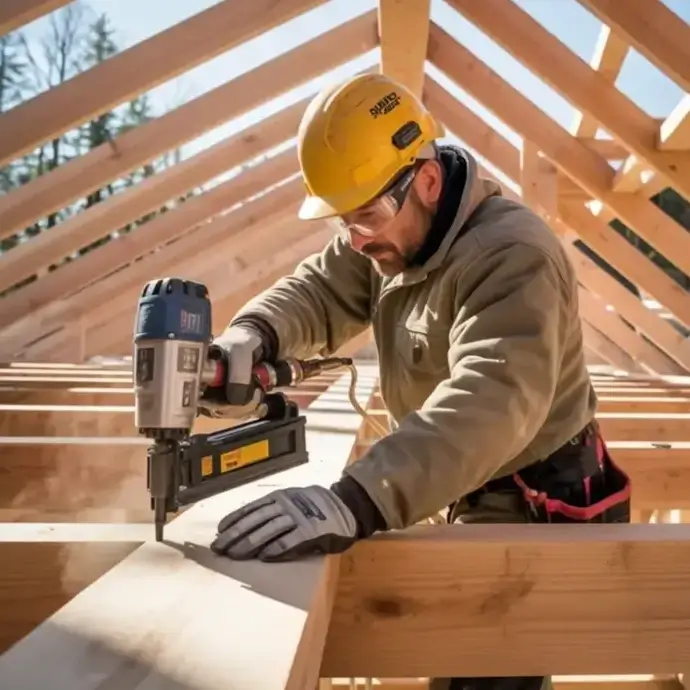
- Use of Personal Protective Equipment (PPE) - All individuals working on a construction site should wear a hard hat and safety glasses. Additional protective equipment can then be adapted to the individual situation, as the risks of the individual employees can vary depending on the work area. Reflective clothing and other job-specific attire are also necessary, as they help reduce the risk of accidents, such as workers being struck by machinery.
- Training and Capacity Management of Construction Workers - Thorough health and safety training is essential to inform employees and others about potential risks. This knowledge and awareness allow workers to protect both themselves and others around them. Site managers can also leverage the latest technologies, such as Artificial Intelligence (AI) and Augmented Reality (AR), to make training more engaging, efficient, and faster. Training should also include a focus on mental health care.
- Enforce Regular Breaks - Construction sites can be very stressful environments. Fatigue can significantly increase the risk of accidents, which is why construction managers should ensure that their staff take regular breaks to relax, unwind, and recharge before continuing to work.
- Use of Appropriate Equipment and Processes - Workers should be assigned roles based on their competencies, including proficiency in handling the correct type and size of equipment. They should also have a thorough knowledge of the task. Best working practices also include the use of warning signs and proper traffic control.
- Eliminate Hazards - Removing hazards from construction sites is crucial to ensure that contractors work in a safe environment. It helps prevent accidental injuries and property damage. This step should always be at the front of your mind. For example, manual handling such as moving or lifting heavy items can be replaced by automation. To find out more, take a look at our insightful article, ‘Avoiding Common Construction Site Hazards with Proper Health & Safety Documents’.
Review & Management
Whilst the previous step focuses on putting safety control measures in place, this step is used to ensure that they are working correctly. As part of this process, you should:
Supervise Workers - The aim is to ensure that employees understand the risks associated with their jobs and that measures are implemented to mitigate these risks. The supervisor should verify that workers are utilising the latest risk control strategies and that they are being applied correctly. Top tip - Supervisors should give special consideration to recruits, young workers and inexperienced workers.
Spot-On Maintenance - Health and safety management exercises are not ‘set and forget’ schemes. They must be looked after for construction sites, this includes making sure:
- All equipment is thoroughly looked after (maintained regularly at appropriate times)
- Measures are put in place for workers to report damaged or faulty equipment
- You equip and train equipment maintenance personnel adequately
- Maintenance activities are carried out safely. For example, flammable and toxic materials should be adequately isolated.
Constantly Monitor - It’s essential to regularly monitor all your IT and health control measures to ensure their effectiveness. Monitoring allows you to assess how well your preventative measures are at eliminating or reducing risks. Efficient tracking also enables you to identify areas of weakness in your health and safety management, allowing them to be addressed early on. In many cases, monitoring includes:
- Workers’ performance audit
- Audit of the program for the Workers'
- Risk exposure monitoring
- Health surveillance
Remember to take corrective action as soon as you discover problems. Revisit your plans and update any outdated policies or procedures to ensure they remain current. To learn more, take a look at our article, ‘Construction Health and Safety Documents’.
Additional Tips To Keep Your Workers Safe
On top of the steps already mentioned, here are some simple steps you can take to manage health and safety in construction:
- Lead by Example - Leading by example is crucial if you want to encourage more excellent health and safety engagement. For example, ensure that workers use the correct tools, as this will reduce the risk of injury. Site managers need to lead by example.
- Enforce Self-Responsibility - Anyone who fails to follow company guidelines should face the consequences of their actions. Online health and safety tools can help businesses manage training qualifications and track individuals who may not be compliant.
For more information, please refer to our Construction Health and Safety Pack.
Who Is Responsible For Ensuring Health and Safety in a Construction Environment?
Generally, construction sites are complex environments with numerous participants. Everyone involved, from project managers, builders, architects, contractors and suppliers, is responsible for safety and needs to work together to achieve this.
On a construction site, the responsibility for health and safety is a collective effort; however, the principal contractor bears the primary responsibility for comprehensive planning, management, monitoring, and coordination of health and safety measures throughout the construction phase, particularly when multiple contractors are involved. Each stakeholder, including the client, designer, subcontractors, and workers, plays a crucial role in fostering a safe working environment.
Here’s an in-depth overview of the key players and their respective responsibilities:
- Principal Contractor: The principal contractor serves as the main point of contact for all health and safety-related matters on-site. They are tasked with developing and implementing a robust health and safety plan, which includes identifying potential risks, organising safety training for all personnel, and ensuring that safety protocols are consistently adhered to. Additionally, they are responsible for coordinating the activities of all contractors on site, conducting regular safety audits, and facilitating communication between various parties to maintain compliance with safety standards.
- Designer: The designer plays a pivotal role in incorporating health and safety considerations during the design phase of the project. They must identify potential hazards associated with the construction process and the use of the completed structure. Employing safe design principles, such as designing for ease of access and maintenance, helps minimise risks before construction begins. Designers also work closely with the principal contractor to ensure that their design adheres to safety regulations and encourages safe practices on-site.
- Subcontractors are responsible for executing specific tasks within the project scope and have a direct obligation to ensure that their teams adhere to established safety guidelines. This includes conducting risk assessments relevant to their work, supplying proper Personal Protective Equipment (PPE), and maintaining safety standards. Subcontractors must also provide their workers with adequate safety training and promptly report any safety issues to the principal contractor.
- Workers: Every worker on a construction site has a personal duty to prioritise safety. This includes following all safety protocols, wearing the necessary personal protective equipment (PPE), and reporting any hazards or unsafe conditions immediately to a supervisor or safety officer. Workers play a vital role in promoting a culture of safety and vigilance, contributing to the overall well-being of everyone on the site.
- Health and Safety Executive (HSE): The Health and Safety Executive (HSE) is the national regulatory body responsible for overseeing workplace health and safety in Great Britain. The HSE enforces compliance with health and safety regulations and guidelines, conducting inspections and investigations to ensure that construction sites adhere to the law. They provide resources, guidance, and support to help employers and workers understand and meet their legal obligations.
- Client: The client, who initiates the project, is responsible for ensuring that safety requirements are integrated into the project's framework from the outset. This includes providing clear safety expectations and objectives, engaging qualified professionals to carry out health and safety risk assessments, and ensuring that adequate resources are allocated for safety measures throughout the project's lifecycle. The client must also maintain ongoing communication with the principal contractor and other stakeholders to facilitate a safe and successful construction process.
By clearly defining the responsibilities of each party, the construction industry can work towards minimising risks and creating safer work environments for everyone involved.