


How Often Should Fire Drills Be Conducted?
Fire drills are an important part of keeping everyone safe at work, and most workplaces should conduct them at least once a year to ensure compliance with safety rules. However, high-risk locations or those with many new employees might want to conduct fire drills more often, such as every six months. Keeping track of all drills in a logbook is also very important for safety purposes.
How Often to Hold Fire Drills
- At Least Once a Year: To meet safety regulations, fire drills should be held at least once a year.
- Best Practice: For better preparedness, it's a good idea to have drills twice a year, around every six months.
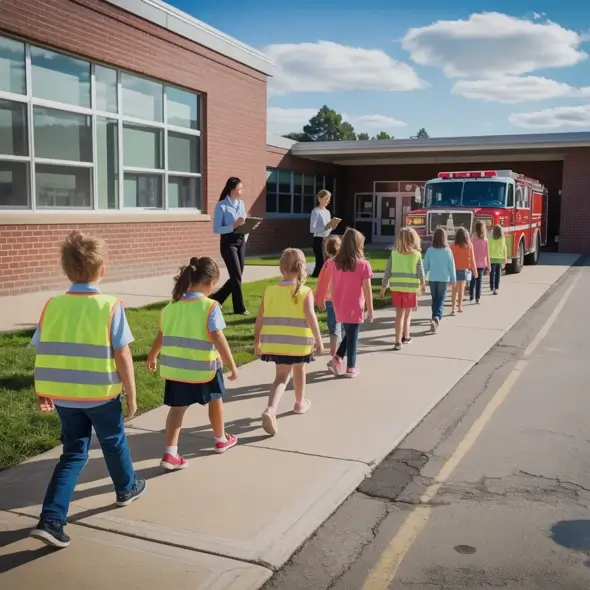
- Special Cases for Certain Locations: Schools, nursing homes, and hospitals may need to hold fire drills more frequently because the people there may need extra help in an emergency.
When to Hold Extra Drills
- Changes in Staff: If there are many new employees, it’s important to have additional drills so everyone knows what to do in case of a fire.
- Updates to Safety Plans: If there are changes to the fire safety plan, another drill should be held to ensure everyone understands the new procedures.
- Changes in the Building: If there are renovations or changes to the workplace layout, holding a fire drill can help everyone become familiar with the new evacuation routes.
Best Ways to Conduct Drills
- Surprise Drills: It’s a good idea to have unannounced fire drills. This way, people can practice their responses without preparation, helping identify areas for improvement.
- Training for Staff: All employees, even new hires, should receive training on fire safety and what to do in an emergency when they start. This training should include an overview of the fire safety plan.
- Vary Drill Times: Changing drill times can help staff prepare for evacuations that may occur at different times of day or night.
- Keeping Records: It’s essential to keep detailed records of all fire drills. This documentation should include the date and time, the drill duration, participants' feedback, any issues that arose, and suggestions for future drills.