


How Do I Carry Out A Working At Heights Risk Assessment?
A working-at-height risk assessment is an important process that helps keep people safe when working above ground level. This assessment involves carefully identifying potential dangers, determining who could be affected, evaluating the risks, documenting what’s found, and regularly checking to ensure safety measures remain effective. It's essential that a qualified person—someone with the right training and experience—conducts this assessment to ensure all risks are properly identified and managed.
Identify Hazards for a Working at Height Risk Assessment
- Surface Stability: Check if the surfaces being worked on are safe, like rooftops or ledges, to make sure they can support weight.
- Unprotected Edges: Look for areas without guardrails or barriers where someone could fall.
- Falling Objects: Be aware of things above that could fall and hit people below.
- Weather Conditions: Consider how wind, rain, or ice might make working at height more dangerous.
- Equipment Safety: Ensure all tools and structures used, such as ladders and scaffolding, are in good condition.
Who is at Risk?
- Decide Who Might Be Harmed: Identify all people who could be at risk, including workers performing the tasks, contractors assisting, and passersby who could be injured by falling objects.
Evaluate Risks & Control Measures
Think about different ways to manage risks:
- Avoid Working at Height: Whenever possible, do tasks from the ground or use tools that extend your reach rather than going up high.
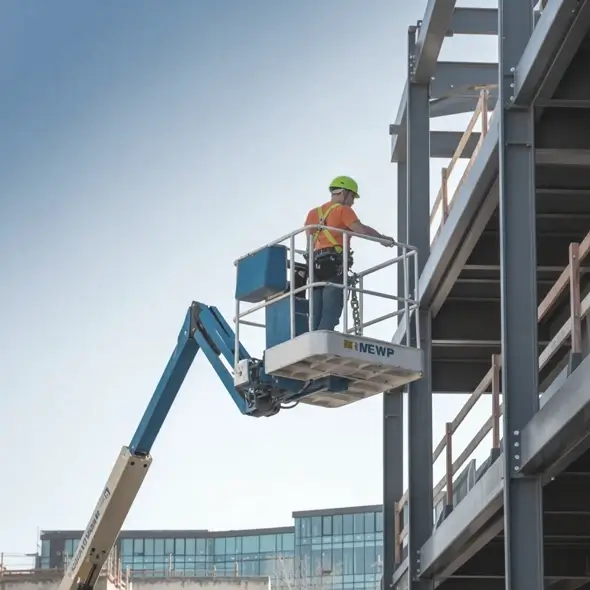
- Prevent Falls: Use appropriate equipment to keep people from falling, such as scaffolding with guardrails or lift platforms for safe access.
- Minimise Fall Risks: If working at height cannot be avoided, use safety equipment like harnesses or nets to catch someone if they do fall and help reduce the risk of serious injury.
- Record Findings: Keep a clear record of all hazards identified, who may be at risk, the safety measures in place, and the reasons for the decisions made. This record should be easy to access for future reference.
- Review and Update: Regularly check the risk assessment to ensure it is still relevant and effective. Reassess when there are changes in the work environment, tools, procedures, or the team involved.
Essential Considerations
- Competence: Make sure all workers are properly trained, experienced, and fit for tasks at height. Offering regular training updates can help maintain safety standards.
- Equipment Inspection: Conduct regular checks of all tools and platforms used for working at heights to ensure they are safe and functional before use.
- Emergency Plans: Develop a comprehensive rescue plan tailored to the specific worksite and tasks. This plan should clearly outline how to safely rescue someone in case of a fall and the roles of team members during emergencies. Relying only on emergency services might not be enough, so it's important to have trained individuals on-site for quick responses.