
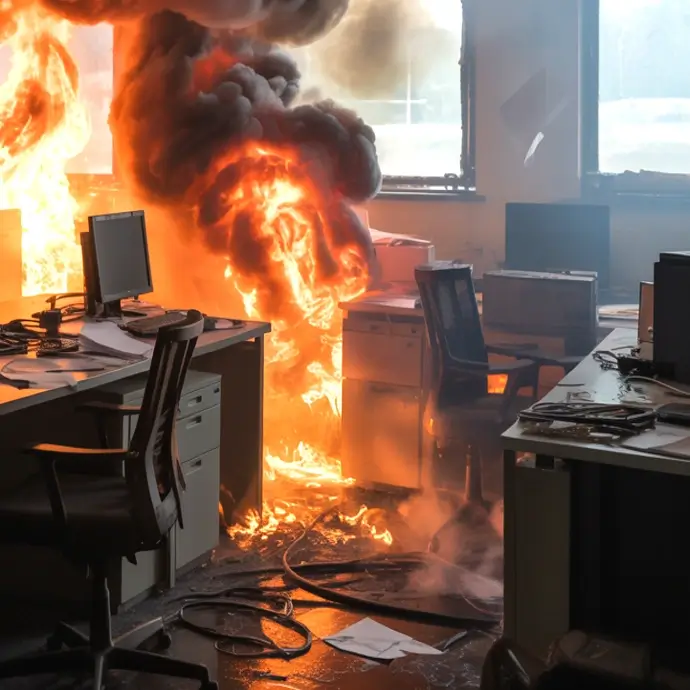


Comprehensive Fire Safety Training: Protecting Your People and Your Business
At HSEDocs, we understand that fire safety training is not just a statutory duty—it is a critical measure for protecting lives, safeguarding property, and ensuring your business continues to operate without disruption. Every year, many organisations suffer avoidable and tragic outcomes due to fires, often because of insufficient training and a lack of preparedness. Our objective is to provide you with accessible, high-quality resources to help keep your workplace both safe and compliant.
As a reputable provider of health and safety solutions, HSEDocs delivers a broad selection of online training courses and essential documentation. Our approval as a supplier to central government and the public sector highlights our expertise and steadfast dedication to quality. We aim to make securing training for your staff straightforward and affordable, with courses starting from just £4.99.
Why Fire Safety Training is Essential for Every Workplace
Fires can occur in any workplace, regardless of industry, and their consequences can range from minor interruptions to devastating losses jeopardising both life and property. It is imperative that staff are well-versed in fire prevention techniques, emergency evacuation procedures, and the appropriate use of fire-fighting equipment. Comprehensive training ensures your team can remain calm and effective in an emergency, reducing risk and potentially saving lives.
Beyond moral and ethical responsibilities, UK law requires employers to provide adequate safety training. The Regulatory Reform (Fire Safety) Order 2005 requires responsible persons to carry out thorough fire risk assessments and implement appropriate fire safety measures, including providing sufficient information and training to all staff. Non-compliance can result in significant legal repercussions, such as large fines or imprisonment.
Understanding Your Legal Obligations for Fire Safety
Your primary legal responsibility is to conduct a comprehensive fire risk assessment and take action based on the results. This includes providing specific fire awareness courses tailored to the unique risks within your workplace. Our training covers key areas, such as:
- Identifying Common Workplace Fire Causes: Understanding typical sources of fires to encourage proactive prevention.
- Recognising Fire Hazards and Risks: Training staff to spot and evaluate potential fire hazards for effective risk management.
- Implementing Fire Prevention Strategies: Offering practical advice to help prevent fires before they start.
- Emergency Evacuation Procedures and Routes: Providing clear guidance on evacuation plans to ensure a safe and swift exit in an emergency.
- Correct Use of Fire Extinguishers: Delivering practical instruction on the various types of extinguishers and their correct application.
- Roles and Responsibilities of Fire Wardens: Assigning and training fire wardens to strengthen your organisation’s safety measures.
By choosing our e-learning courses, you are going beyond simple compliance—you are actively creating a safer workplace and demonstrating your commitment to your staff’s welfare. Our training is carefully crafted to be both relevant and engaging, ensuring vital information is clearly communicated and easily remembered.
Tips for the Workplace
Training is essential for creating a safe workplace, helping everyone know what to do in case of a fire. Fires can happen suddenly and spread quickly, putting lives and property at risk. By understanding fire causes and having clear safety rules, workplaces can significantly reduce the risk of fire.
Effective fire safety depends on employees' ability to spot potential dangers and take preventive steps. This means recognising unsafe practices, using fire safety equipment properly, and following the safety guidelines established to keep everyone safe. Being aware and prepared is key to a strong fire safety plan.
Creating a culture of fire safety goes beyond just following the law; it involves everyone actively participating and staying committed. Regular training sessions and practice drills can equip employees with the skills and confidence they need to respond quickly in an emergency, helping minimise harm.
Integrating fire safety into everyday activities is crucial. Constant communication and visible reminders, such as posters and signs, keep fire safety on people's minds. Taking a proactive approach makes fire safety a shared responsibility that becomes an ingrained part of your workplace culture.
Basic Fire Safety Procedures
In case of a fire, it's important to act quickly to protect yourself and others. First, take a moment to understand the situation. If the fire is small, you can try to put it out using a fire extinguisher, but only if you know how to use it safely. Remember the simple steps: Pull the pin, aim at the bottom of the fire, squeeze the handle, and sweep from side to side. This helps stop the fire from spreading.
Before you try to put out a fire, make sure you have a safe way to escape. Your safety comes first! If the fire gets too big, sound the nearest fire alarm and get out of the building right away. Follow the evacuation signs and don’t waste time grabbing personal belongings—getting out fast is crucial.
If there’s smoke, stay low to the ground because smoke rises and can be hard to see through. Staying low makes it easier to find your way outside. Never use elevators during a fire, as they can be dangerous. Stick to the stairs or other emergency exits.
Once you’re outside, go directly to the designated meeting point. This helps everyone stay safe and allows emergency responders to check if anyone is still inside. Always listen to fire wardens or emergency staff, as they are trained to keep everyone safe and organised during an emergency.
Fire Prevention Strategies
To prevent workplace fires, it's important to stay alert and proactive. Make sure walkways and work areas are free of clutter. This helps prevent fires and ensures that everyone can escape safely if needed. Keep any flammable items, such as chemicals or paper, in the right containers or cabinets designed to keep fire risks low.
Electrical safety is also a big concern. Regularly check power cords, outlets, and appliances for damage, and replace anything that's not working properly. Be careful not to overload electrical sockets, as this can lead to overheating and fires. Only qualified professionals should perform any electrical work to ensure it meets safety standards.
When handling chemicals or other hazardous materials, training is essential. Employees should know how to handle these substances safely, including the importance of labelling them accurately and keeping incompatible items separated. Having spill kits and clear instructions for cleaning up accidents adds another layer of safety.
For activities that produce heat, like welding or certain maintenance tasks, strict guidelines should be followed. These activities should only take place in areas designed to resist fire, and there should always be fire extinguishers nearby. It's also important to set up designated smoking areas well away from anything flammable.
Lastly, regular cleaning and maintenance are key. Dust, grease, and debris can significantly increase the risk of fire, so it's crucial to schedule regular cleaning and inspections. By keeping everything in good shape, we can help create a safer workplace for everyone.
Emergency Evacuation Plans
Having a solid evacuation plan for a fire is crucial for everyone's safety. It's important that all staff members are well-trained and know what to do in an emergency. They should be able to quickly find and follow the clearly marked escape routes. The plan should explain where the exits are, the best ways to leave the building, and what to do if a path is blocked. Good signs, bright lighting, and clear exits are essential for a smooth evacuation.
It's also important to have designated meeting spots outside the building. These areas help supervisors and emergency responders ensure that everyone is accounted for and that no one is left behind. Employees should be trained to go directly to these spots rather than return to the building. Supervisors or safety team members should take headcounts and let emergency services know right away if anyone is missing.
For employees with disabilities or mobility challenges, the evacuation plan should include special procedures and assign trained staff to assist them. This could involve using evacuation chairs, identifying accessible routes, and giving extra training to those who will be helping.
Regular fire drills are key to checking how well the evacuation plan works. These drills should mimic real-life situations so that everyone can practice their roles, speed up their reactions, and get used to alarms and emergency procedures. After each drill, collecting feedback can help improve the plan, making it more effective and practical over time.
Role of Fire Safety Equipment
Fire safety equipment is very important for keeping people safe and managing emergencies when fires occur. When this equipment is in the right places and properly maintained, it can help spot, control, or put out fires before they become serious problems.
Smoke detectors are key to quickly detecting a fire. They give people precious time to escape or handle a small fire. It's best to install smoke detectors in hallways, work areas, and near bedrooms in homes. In places like kitchens or mechanical rooms, heat detectors can be used instead, as they sound the alarm only when it gets really hot, helping prevent false alerts.
Fire extinguishers are handy tools for putting out small fires early on. Different types of extinguishers work for different kinds of fires, such as those from flammable liquids, electrical devices, or metals. It’s important for everyone to know where the extinguishers are, what types exist, and how to use them properly based on the fire risks in their areas.
Fire alarm systems alert people to a fire and prompt them to take action. The alarms should be loud enough for everyone inside the building to hear. It’s also a good idea to have visual alarms, such as flashing lights, to help those who may have trouble hearing, so everyone is safe.
Sprinkler systems automatically spray water to help control fires, often preventing them from spreading. They are particularly useful in high-risk areas such as kitchens, laboratories, and storage areas, making them a vital part of an overall fire safety plan.
Regular checks and maintenance of all fire safety equipment are essential to ensure they work properly when needed. If the equipment is broken or not looked after, it can jeopardise emergency responses, putting people's lives and property at risk. Keeping thorough records of maintenance helps meet safety requirements and encourages a culture of safety. By ensuring that fire safety equipment is easy to access, functional, and well-maintained, we can greatly enhance safety at work and enable swift, effective action in emergencies.
Our comprehensive fire safety training courses
We offer a range of specialised training courses designed to meet the diverse needs of various industries and roles. Our online platform provides flexibility, allowing your team to complete training at their convenience, without disrupting daily operations.
Each course is developed by health and safety experts and updated regularly to reflect the latest legislation and best practices. All our e-learning courses, including our fire safety options, are available from just £4.99, making robust training affordable for businesses of all sizes.
Popular fire safety courses we offer:
- Fire Awareness: Construction Certificate: Essential for anyone working on construction sites.
- Fire Awareness: Hotel Certificate: Tailored for the unique challenges of the hospitality sector.
- Fire Awareness: Office Certificate: Covers fire risks prevalent in office environments.
- Fire Awareness: Restaurant Certificate: Focuses on the specific fire hazards in kitchens and dining areas.
- Fire Awareness: Shop Certificate: Designed for retail environments with customer and stock considerations.
How our online training works
Our e-learning platform is designed for ease of use. Here’s how simple it is to get your team trained:
- Browse Courses: Visit our fire awareness course page and select the appropriate training for your needs.
- Purchase & Access: Once purchased, you gain immediate access to the course materials.
- Learn at Your Pace: Employees can complete the training modules at a time and place that suits them.
- Assessment & Certification: Each course concludes with a short assessment to confirm understanding. Upon passing, a certificate is immediately available for download.
This flexible approach means you can manage your training efficiently, even for large teams or those in different locations. We pride ourselves on providing a fast, efficient, and cost-effective service.
Our Commitment to Quality and Compliance
At HSEDocs, we centre our values on quality and compliance. We are proud to be ISO 9001 certified for quality management and ISO 27001 certified for information security. These accreditations reflect our ongoing commitment to maintaining the highest standards in all our offerings.
Our sense of responsibility extends beyond health and safety. We are proactive in preventing modern slavery and human trafficking within our business operations and supply chain, guided by our Approved Modern Slavery Policy (last revised on 02/11/2022). We also actively promote equality, diversity, and inclusion in accordance with the Equality Act 2010, as stated in our Approved Equality and Diversity Statement and Equal Pay Statement, both dated 02/11/2022. These commitments underline our standing as an ethical and responsible service provider.
Choose HSEDocs for Your Fire Safety Training Needs
We are proud to have an average Google rating of 4.8 stars from 561 customer reviews, reflecting the high regard our clients have for our efficient service and product excellence. We streamline the process of obtaining the training and documentation you need to safeguard your workplace against fire hazards.
Do not delay your training until it is too late. Invest in training today. Our dedicated support team is always available to answer your questions. Our support team is available via phone at 0800 933 61 61 or by email to assist with any queries you may have.
Frequently Asked Questions
What is fire safety training?
This training educates employees on how to prevent fires, identify fire risks, react safely in the event of a fire, and understand evacuation procedures. It covers topics like the 'fire triangle', common causes of fire, and the legal responsibilities of employers and employees. Our courses are designed to provide comprehensive training for various workplace settings.
How often should training be conducted?
While there isn't a strict legal frequency defined for all roles, it's generally recommended that training be conducted at least every three years. New employees should receive training as part of their induction, and anyone whose role or workplace changes significantly should also be retrained. Regular refreshers ensure knowledge remains current and procedures are understood.
Who needs training?
Virtually all employees need some level of safety training. Every person in the workplace should know what to do in case of a fire, including evacuation routes and assembly points. Those with specific responsibilities, such as fire wardens or those working with flammable materials, will require more in-depth and specialised training.
Are your safety courses accredited?
Our e-learning courses are developed by health and safety experts and are compliant with UK regulations, including the Regulatory Reform (Fire Safety) Order 2005. While various 'accreditations' exist, the most important aspect is that the training meets legal duties and provides practical knowledge. Many of our courses are recognised by businesses and regulatory bodies as meeting their training obligations. We are an ISO 9001-certified company, ensuring our content and processes meet high-quality standards.
Can fire warden training be done online?
While some aspects of fire warden training, such as understanding responsibilities, fire prevention, and evacuation procedures, can be effectively covered through online e-learning, practical elements like using fire extinguishers or leading an evacuation drill typically require hands-on components. Our online fire safety training courses for fire awareness can form a significant part of a fire warden's knowledge base.
How do I get my certificate?
After completing one of our online training courses and passing the assessment, your certificate will be immediately available for you to download and print. This provides instant proof of your completed training and can be stored for your records or presented to regulatory bodies if required. We provide instant and unlimited downloads for all our course certificates.