
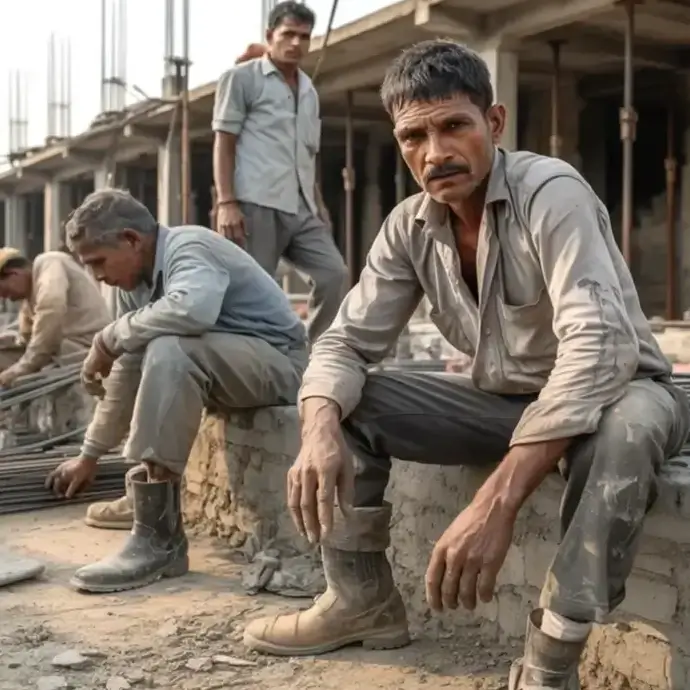


Introduction to Modern Slavery Training
Modern slavery remains a serious and widespread problem, occurring in various industries and affecting vulnerable populations worldwide. This form of exploitation includes practices like forced labour, human trafficking, and debt bondage, which deprive individuals of their fundamental rights and freedoms. To tackle these issues, modern slavery training is an essential tool for educating people about the nature of this crime and the actions needed to combat it effectively.
Such training programmes aim to deepen participants' understanding of how exploitation occurs and the structural factors that facilitate it. This involves examining the economic, social, and legal conditions that foster environments where modern slavery persists. In doing so, training lays the groundwork for individuals and organisations to make meaningful contributions to prevention and intervention efforts.
Modern slavery training also emphasises the importance of staying informed about national and international laws designed to combat these practices. Understanding legal obligations not only ensures compliance but also enables participants to promote better practices within their respective fields. Education on these laws is particularly vital for professionals in sectors such as healthcare, education, law enforcement, and business, where recognising and responding to exploitation can make a meaningful difference.
Tailored for various industries, modern slavery training recognises that the risk of exploitation can vary depending on the context. Programs often include industry-specific examples, helping participants understand the particular vulnerabilities in their fields. This customisation ensures that the lessons are practical and directly relevant to real-world situations, enabling trainees to spot risks and take preventative action.
Including these elements, modern slavery training provides participants with the knowledge and skills necessary to support the broader aim of eradicating exploitation from communities and workplaces.
UK Modern Slavery training is essential because it educates individuals and organisations to prevent, identify, and report modern slavery, which is vital for legal compliance with the Modern Slavery Act 2015. This training helps foster ethical workplaces, protects vulnerable people, safeguards an organisation's reputation, and enables them to meet their legal and moral obligations to combat exploitation and uphold human rights.
Key Reasons for Importance of Modern Slavery Training:
Legal Compliance: This comprehensive training programme is designed to ensure that organisations meet their obligations under the Modern Slavery Act 2015. It equips staff with a thorough understanding of the legal framework surrounding modern slavery, detailing the specific responsibilities that entities have, including the development and submission of the necessary annual transparency statements mandated by the Act. Participants will gain insights into regulatory expectations and best practices for compliance and find out if they need to publish an annual modern slavery statement.
Victim Protection: Through targeted instruction, participants learn to identify various indicators of exploitation, equipping them with the knowledge needed to act decisively in suspicious situations. By encouraging a proactive approach to recognising signs of modern slavery, the training seeks to foster an environment where vulnerable individuals can access the protection and support they urgently require. Participants are urged to report potential incidents, thereby contributing to a collective effort to safeguard victims.
Identifying Risk: The training explores the complex nature of modern slavery, looking at its different forms — such as human trafficking, forced labour, and domestic servitude. Participants will gain a broad understanding of how these terrible practices can penetrate organisations and supply chains. Through examining case studies and real-world examples, attendees will learn to spot risk factors specific to their sector and operations, helping them to develop effective mitigation strategies.
Ethical and Moral Responsibility: Emphasising the ethical obligations that organisations and individuals hold in the fight against modern slavery, the training fosters a culture of accountability and compassion. It underlines the moral necessity of upholding human rights and provides guidance on how employees can incorporate ethical considerations into their daily decision-making and operational practices, creating a workplace dedicated to social justice.
Reputation Management: Investing in this training not only shows an organisation's commitment to ethical standards but also significantly enhances its reputation in the marketplace. By actively taking steps to combat modern slavery, organisations position themselves as responsible corporate citizens, gaining trust and respect from clients, stakeholders, and the public. This commitment can also provide a competitive edge, as consumers are increasingly drawn to ethically aligned businesses.
Operational Improvement: Participants receive practical tools and actionable knowledge to smoothly incorporate human rights principles into business practices and supply chains. This training helps in developing strategies that promote ethical sourcing, fair labour practices, and sustainable operations, leading to a more responsible and resilient organisation.
Reporting Procedures: The programme provides clear, step-by-step instructions on how to report concerns regarding modern slavery effectively. Participants are informed about the proper channels for raising alarms, ensuring they can assist law enforcement and relevant agencies in investigating and addressing offences. This aspect of training empowers employees to become vigilant advocates for justice, capable of offering crucial support to victims and contributing to broader societal efforts to eradicate modern slavery.
The Importance of a UK Modern Slavery Training Course
UK modern slavery training courses are crucial in equipping organisations and individuals with the knowledge and tools needed to identify, prevent, and report different forms of exploitation. These programmes not only help businesses comply with the Modern Slavery Act 2015 but also strengthen their corporate and social responsibilities.
For Organisations
Legal Compliance: The training provides a comprehensive understanding of the legal requirements outlined in the Modern Slavery Act 2015, which is particularly important for organisations with an annual turnover of £36 million or more. By achieving compliance, businesses can reduce potential legal risks and safeguard their reputation against issues related to modern slavery..
Supply Chain Integrity: A comprehensive modern slavery training programme educates employees on how to recognise signs of exploitation within the supply chain. This knowledge promotes ethical sourcing practices, enabling organisations to build and maintain trusted partnerships with vendors and suppliers who share their commitment to ethical standards..
Enhanced Ethical Standards: Training programmes emphasise a company's commitment to ethical practices and corporate social responsibility. By embedding these values across the workforce, organisations can boost public trust, attract ethically conscious consumers, and strengthen brand loyalty..
Robust Risk Management: The training equips employees with essential skills to identify and handle risks related to modern slavery. By fostering a more ethical workplace culture, organisations can better prevent incidents of human rights violations, whether directly or indirectly linked to their operations..
For Individuals and Employees
Increased Awareness: Modern slavery training provides a thorough understanding of what modern slavery involves, including various forms such as labour exploitation, human trafficking, and domestic servitude. Participants learn to recognise key indicators or "red flags" that signal potential exploitation, thereby boosting their vigilance in the workplace..
Empowered Reporting: The courses build confidence in staff at all levels to report any suspicious activities or concerns they observe. This empowerment is vital, as many victims of modern slavery do not have the means to voice their distress, making proactive reporting crucial for their safety..
Victim Support: Training offers practical guidance on how to respond if a potential victim is recognised. Staff are informed about proper reporting procedures and the importance of a trauma-informed approach. Ensuring victims receive essential safeguarding and support is crucial for aiding their recovery and reintegration..
Enhanced Ethical Perspective: By fostering a workplace culture rooted in vigilance and ethical awareness, training encourages employees to actively participate in the global effort against human trafficking and exploitation. This initiative cultivates not only a more ethically conscious workforce but also promotes a societal commitment to defending human rights.
Overall, UK modern slavery training courses are invaluable for creating a society that prioritises human dignity and actively combats all forms of exploitation.
Identifying Signs of Modern Slavery
Recognising the signs of modern slavery requires sharp observation and an understanding of the subtle ways exploitation can show itself. While obvious indicators may sometimes be visible, more often, the signs are subtle and demand careful attention. Those affected by modern slavery frequently face restrictions on their freedom, whether through physical confinement, surveillance, or threats against themselves or their families. They may have limited access to communication devices or external support, further isolating them and making it harder for others to recognise their situation.
In workplaces, certain warning signs might suggest the presence of exploitative practices. These can include individuals working excessively long hours without proper breaks or receiving pay that is significantly below legal minimums. In some instances, workers may be pressured into staying in their jobs through threats of harm, confiscation of personal identification documents, or by accumulating debts they are told they must repay through labour. These patterns are often observed in industries such as agriculture, domestic work, construction, and hospitality, where oversight may be limited and workers can be isolated from the wider community.
Physical and emotional signs can also offer vital clues. Victims of modern slavery may exhibit signs of malnutrition, exhaustion, or untreated injuries due to a lack of proper healthcare or support. They might display fear, anxiety, or reluctance to engage with others, often because of intimidation by their exploiters. Language barriers or a lack of awareness about their rights can further suppress their voices, making it crucial for others to approach such situations with sensitivity and care.
Living conditions are another important factor to consider. For example, workers trapped in exploitative arrangements might be accommodated in overcrowded or substandard lodgings, often under their employer's control. They may lack the freedom to make choices about their daily lives, such as their place of residence or their social connections. These conditions serve as a form of control and reinforce the power imbalance between the victim and the perpetrators.
Transactional settings can also reveal potential indicators of modern slavery. For instance, individuals who seem to be accompanied or controlled by someone speaking on their behalf, especially during job applications, medical appointments, or legal processes, may be be under coercion. Their inability to freely express their own needs or decisions could signal exploitation. Similarly, payments made directly to someone other than the worker or discrepancies in documentation related to employment can raise suspicions.
Key Components of Effective Modern Slavery Training Programs
Effective training programmes on modern slavery include key elements designed to address its complexities while providing participants with the essential knowledge and tools. A vital part is offering a comprehensive overview of the different forms modern slavery can take, such as forced labour, human trafficking, and other exploitative practices. This foundational understanding ensures participants grasp the issue and its extensive impacts.
To improve relevance and applicability, training programmes are often customised to address the specific needs and risks related to different industries or professions. For example, training for healthcare professionals might emphasise recognising exploitation signs in patient behaviour, while sessions for business leaders may focus on evaluating supply chain vulnerabilities. This personalisation ensures that participants receive information relevant to their roles, enabling them to apply what they learn directly to their daily work.
Case studies and real-life examples are another vital part of effective programmes, as they help provide context to the problem. Reviewing real scenarios enables participants to better understand how modern slavery appears in different settings and equips them to recognise warning signs more efficiently. These examples also offer a chance to discuss how interventions can be implemented responsibly and ethically, without exposing victims to further risk.
Furthermore, training programmes emphasise the significance of understanding the rights of victims and the legal frameworks created to protect them. Sessions frequently comprise detailed explanations of local, national, and international laws related to modern slavery that participants are likely to encounter in their work. This legal knowledge not only guarantees compliance with regulations but also enables trainees to take informed and lawful actions when they come across potential cases of exploitation.
Another essential feature is the inclusion of strategies for building partnerships and collaborating across sectors. Addressing modern slavery requires a coordinated effort among businesses, governments, non-governmental organisations, and community groups. Training programmes often highlight the value of sharing resources and knowledge to maximise the impact of prevention and intervention efforts. This collaborative approach strengthens networks of support for victims and enhances the collective capacity to combat exploitation.
Programs also emphasise developing participants' skills in communication and engagement, especially when interacting with potential victims. Sensitivity is essential in these situations, as victims may fear retaliation or have limited trust in authorities. Training often includes guidance on how to establish a safe and nonjudgmental environment, ensuring individuals feel supported when sharing their experiences. Role-playing exercises and interactive discussions help participants practise these skills in a controlled setting, preparing them for real-world scenarios.
Equipping participants with tools and resources for ongoing learning is another key aspect of effective training. This involves providing access to current information on emerging trends in modern slavery, such as new trafficking methods or shifts in vulnerable populations. Resource materials, like checklists, contact directories, and reporting protocols, are also typically included, allowing participants to respond quickly and appropriately when they identify concerns.
Finally, programmes encourage proactive actions that go beyond simply recognising exploitation. This may include advice on establishing workplace policies that promote ethical conduct or setting up systems to monitor compliance within supply chains. By emphasising prevention and risk reduction, these measures aim to tackle exploitation before it happens, creating safer environments for everyone involved.
Training Techniques and Methodologies
Effective modern slavery training uses various techniques to keep participants engaged and help them grasp key concepts. One effective approach is case-based learning. By presenting participants with real or simulated exploitation scenarios, they are encouraged to analyse situations, spot potential signs of modern slavery, and discuss suitable responses. This method not only strengthens theoretical knowledge but also offers practical insights into handling complex situations.
Another effective approach involves experiential learning through activities like role-playing. Participants can assume different roles, such as victim, perpetrator, or responder, enabling them to explore various perspectives and practice managing sensitive situations with care. These exercises help foster empathy and enhance interpersonal skills, which are crucial when dealing with cases involving exploitation.
Group discussions and collaborative workshops enhance the learning experience by enabling participants to share ideas and learn from each other’s perspectives. These environments promote active participation, allowing trainees to share their experiences, ask questions, and clarify misconceptions in a supportive setting. Facilitators can steer these discussions to ensure that key points are covered and that all participants leave with a clearer understanding of the topic.
Integrating digital tools into training programmes has become increasingly vital in making education on modern slavery accessible to a wider audience. Online learning platforms, e-modules, and webinars offer flexibility for participants to learn at their own pace and revisit key content as necessary. These tools are especially useful for organisations with geographically scattered teams, ensuring uniformity in the training delivered across different locations. Interactive features, such as quizzes and video demonstrations, further boost user engagement by breaking down complex information into manageable and relatable parts.
In-person training often benefits from multimedia elements like videos, infographics, and presentations, which offer visual representations of data and concepts. For example, video testimonials from survivors can provide a powerful and authentic insight into the realities of modern slavery, helping participants connect emotionally with the issue. Infographics can be used to clarify statistics or legal frameworks, making the information more accessible to those unfamiliar with the topic.
Customising training methods to fit the needs of different industries or professional roles is also a key focus. For instance, healthcare workers might benefit from specific techniques like simulation-based training, where they practise recognising and responding to subtle signs of exploitation in a clinical setting. Similarly, for those in law enforcement, exercises involving investigating mock scenarios or analysing patterns of behaviour can improve their ability to detect and combat modern slavery effectively.
Another effective strategy is incorporating self-assessment tools, enabling participants to evaluate their initial understanding of modern slavery-related concepts and monitor their progress throughout the programme. This method fosters a sense of accountability and promotes active engagement, as individuals can easily identify areas where they require further learning or improvement.
Interactive mapping tools are another innovative technique used in modern slavery training. These tools enable participants to explore data on trafficking routes, vulnerable regions, or high-risk industries, fostering a more comprehensive understanding of the global and local dimensions of the issue. By visualising patterns and connections, participants can better grasp the systemic nature of modern slavery and the factors contributing to its persistence.
Storytelling is another method often included in training to personalise the subject matter and make it more relatable. Facilitators might share survivor stories, anonymised where needed, to demonstrate how exploitation happens and how intervention can make a difference. These narratives can be especially powerful in highlighting the human cost of modern slavery and the importance of taking action.
Including regular knowledge checks during training sessions helps ensure that participants stay engaged and retain important information. Quizzes, reflection prompts, and scenario-based questions can reinforce learning and make the sessions more lively. Furthermore, providing participants with resource guides or toolkits enables them to continue learning after the session, giving them materials to refer to when facing situations related to modern slavery in their work or personal lives.
Role of Organisations in Modern Slavery Training and Prevention
Organisations play a vital role in tackling the root causes and effects of modern slavery by creating environments that emphasise fairness, respect, and accountability. Establishing ethical standards begins with implementing clear policies that define zero tolerance for exploitative behaviour and unfair labour practices. These policies must be communicated at all levels of the organisation, ensuring that every employee, partner, and supplier understands their duty to foster safe and lawful working conditions.
A proactive approach to supply chain management is vital in preventing modern slavery. Organisations must evaluate their suppliers and subcontractors to ensure they meet ethical labour standards. This can be achieved through thorough supplier audits and ongoing monitoring, focusing on identifying high-risk regions or industries vulnerable to exploitation. Implementing rigorous vendor selection processes and demanding transparency in sourcing practices also helps reduce the risk of inadvertently supporting exploitative labour.
Education and training are crucial in an organisation's prevention strategy. Employees, especially those in roles where they might encounter signs of exploitation, should be equipped with the knowledge to recognise and respond to potential red flags. This training should include practical examples relevant to their industry and provide clear reporting procedures to ensure concerns are addressed swiftly and appropriately. Furthermore, leadership teams should actively participate in these sessions to demonstrate their commitment to the issue.
Organisations must also establish safe channels for individuals to report unethical practices without fear of retaliation. An effective whistleblower policy gives employees, contractors, and other stakeholders the confidence to report suspected cases of modern slavery. Creating secure and anonymous reporting systems, such as hotlines or digital platforms, encourages more participation in recognising and preventing exploitation.
Partnerships with external experts, such as non-governmental organisations (NGOs) or advocacy groups, can further strengthen an organisation’s capacity to combat modern slavery effectively. Working with these entities offers valuable insights, resources, and expertise that may not be readily available internally. External collaborations can also support the development of targeted initiatives, like community outreach programmes, which address vulnerabilities in at-risk populations and raise broader awareness.
Organisations operating internationally have an added responsibility to manage different regulatory environments. To handle this complexity, multinational companies should align their practices with global standards and frameworks designed to combat modern slavery, such as the United Nations Guiding Principles on Business and Human Rights. These frameworks offer guidance on integrating human rights considerations into business operations, ensuring ethical practices are maintained across various jurisdictions.
Regularly reviewing and updating workplace policies ensures they stay relevant and effective in fighting modern slavery. This involves aligning internal practices with new legislation or industry-specific standards. Organisations should also aim to implement mechanisms for tracking progress, such as key performance indicators (KPIs) related to labour practices and supply chain ethics. Transparency in reporting these efforts not only strengthens accountability but also builds trust with stakeholders.
Employers can further support prevention by fostering open communication and employee engagement. Promoting dialogue about labour rights and workplace conditions helps establish a culture of respect and vigilance. Involving employees in shaping policies or initiatives can also lead to more effective and inclusive solutions, as those on the ground often have a clearer understanding of daily risks.
Investing in community-focused initiatives is another way organisations can actively help prevent exploitation. Providing resources to programmes that promote education, skills training, or economic growth helps lessen vulnerabilities that often lead to modern slavery. Organisations can also support survivor reintegration programmes, offering meaningful employment opportunities to individuals who have escaped exploitative situations.
By incorporating these strategies into their operations, organisations can substantially decrease the risk of modern slavery within their spheres of influence, while also fostering a broader cultural shift towards more ethical and equitable practices.
Measuring the Effectiveness of Training
Assessing the impact of modern slavery training is essential to ensure that the knowledge and skills shared during sessions lead to meaningful action. A structured evaluation process enables organisations to recognise strengths, address gaps, and improve their training programmes to achieve greater effectiveness.
One effective method of assessment involves conducting pre-training and post-training evaluations. By comparing participants' knowledge, attitudes, and confidence levels before and after the training, organisations can determine whether the programme successfully met its learning objectives. These evaluations should focus on key concepts, such as recognising signs of exploitation and understanding legal frameworks, to ensure participants retain the most critical information.
Incorporating participant feedback is another valuable tool for evaluating effectiveness. Surveys or interviews conducted after the training offer insights into how well participants understood the material and whether the content was engaging and relevant to their roles. This feedback can identify areas where the training may need to be adapted to better meet participant needs or industry-specific challenges.
Organisations should also consider long-term assessments to evaluate the lasting impact of the training. For example, tracking changes in reporting rates, intervention outcomes, or compliance within an organisation over time can indicate whether employees are applying the knowledge gained during training in their work. Monitoring these metrics helps organisations understand how the training contributes to broader efforts to combat modern slavery.
Furthermore, involving facilitators or trainers in the evaluation process can offer a different viewpoint on the training’s effectiveness. Trainers can evaluate participant engagement, identify which topics prompted the most questions or confusion, and recommend adjustments to enhance the delivery and content of future sessions.
Applying the training in real-world situations is another key measure of its success. Organisations can assess whether employees are effectively recognising and responding to potential cases of modern slavery by examining case studies, role-playing exercises, or other practical activities undertaken during training. This practical approach ensures participants are ready to handle real-life scenarios and offers opportunities to reinforce best practices.
To improve accountability, organisations may also gain from incorporating training evaluation into their wider anti-slavery strategies. For example, linking training outcomes to organisational goals, such as supply chain transparency or enhanced compliance, ensures the programme aligns with the company’s ethical commitments. Regular reviews of training results, along with transparent reporting, show a dedication to continuous improvement and foster trust among employees and stakeholders.
Finally, integrating technology into the evaluation process can streamline data collection and analysis. Digital platforms that monitor quiz scores, participation rates, and feedback can give organisations a clear and complete view of training outcomes. By examining this data, organisations can identify patterns and trends, ultimately using the results to make informed decisions on how to improve future programmes.
By adopting a systematic approach to assessing effectiveness, organisations can ensure that their modern slavery training programmes are not only informative but also practical, empowering participants to actively prevent exploitation.